Share

Terrarium Plants
Live plants are both a structural and biological element in a terrarium. They stabilize the microclimate, support humidity, provide hiding places, and encourage natural behavior. Plant choice must match the type of environment: dry, tropical, or paludarium.
🌵 Plants for dry terrariums
Choose plants for the actual light, drainage and moisture in the dry enclosure.
Examples to assess for the enclosure; inclusion is not evidence that the plant is edible:
- Aloe (Aloe vera) - a hardy succulent that tolerates high temperatures.
- Haworthia spp. - compact succulents for smaller spaces.
- Snake plant (Dracaena trifasciata) - extremely tolerant of dry air.
- Gasteria spp. - suitable for somewhat lower-light areas.
- Crassula ovata (small forms) - stable in moderately dry conditions.
🌴 Plants for tropical terrariums
Choose plants for the actual light, ventilation and moisture in the tropical enclosure. For leaf-eating animals, independently establish feeding suitability before providing access.
Examples to assess for the enclosure; inclusion is not evidence that the plant is edible:
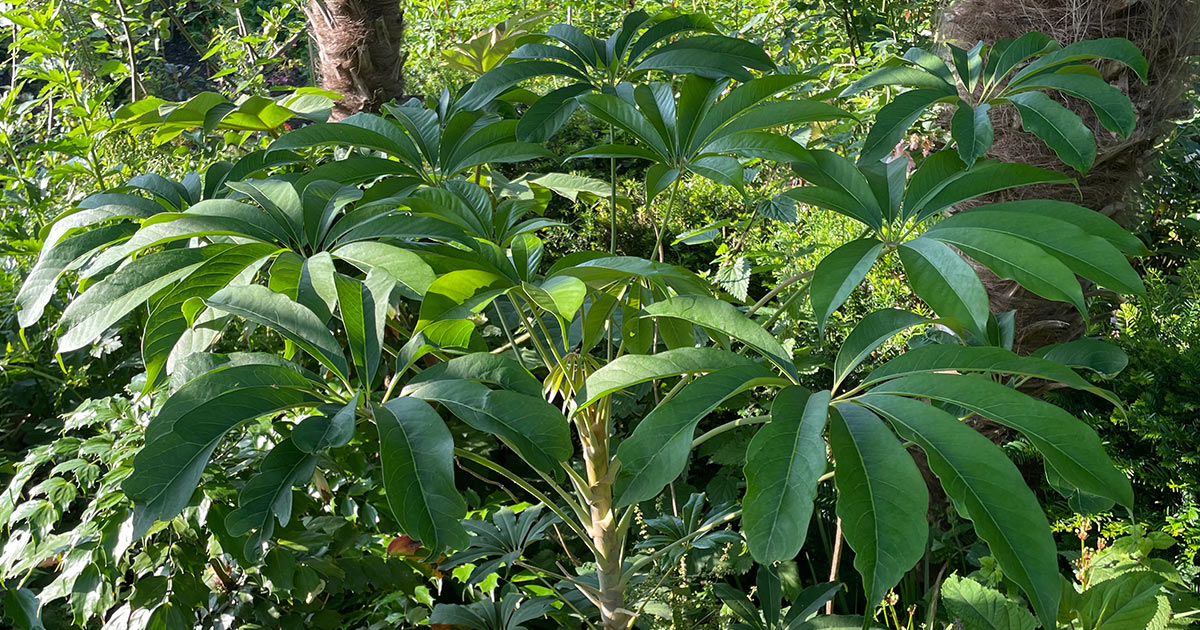
- Dwarf umbrella tree (Schefflera arboricola) - creates dense foliage.
- Weeping fig (Ficus benjamina) - suitable for tall terrariums.
- Hibiscus rosa-sinensis
- Peperomia obtusifolia - tolerant of moderate light.
- Ficus pumila - useful for vertical planting.
🌊 Plants for paludariums
Match aquatic and terrestrial plants to their planting position and moisture requirements.
Examples to assess for the enclosure; inclusion is not evidence that the plant is edible:
- Anubias spp. - hardy aquatic plants.
- Microsorum pteropus (Java fern) - ideal for the aquatic section.
- Cryptocoryne spp. - suitable for semi-submerged areas.
- Neoregelia (bromeliads) - hold water in the leaf rosette.
- Fittonia spp. - ideal for humid terrestrial areas.
- Selaginella spp. - suitable for a forest-floor environment.
💡 Lighting
Match plant lighting to the selected plants. Colour temperature alone does not measure the light reaching leaves; enclosure depth and shading matter. Keep the animal’s required light cycle and shaded retreats. Plant lighting does not replace species-appropriate UVB provision.
🌱 Planting
In pots
The most practical method. It allows better moisture control and easy replacement.
Direct planting (bioactive system)
Requires a drainage layer (expanded clay), a separating mesh, and a suitable substrate. This approach is best suited to tropical terrariums and paludariums.
🌿 Fertilizing
Use a known cultivation and treatment history. Apply any necessary fertilizer outside the animal enclosure and follow its label; the word “organic” does not establish suitability for animal contact or ingestion. Keep animals away from fertilizer, treated soil and runoff.
❌ Plants to avoid
NC State Extension identifies calcium oxalate crystals in pothos, heartleaf philodendron and Monstera adansonii. These botanical records do not establish a safe dose for reptiles. As a precaution, keep these plants inaccessible to animals that may chew them; ornamental use is not a feeding recommendation. NC State Extension.
- Dieffenbachia
- Nerium oleander
- Anthurium
- Monstera deliciosa
- Rhododendron
- Hedera helix
- Codiaeum variegatum
- Zamioculcas zamiifolia
- Epipremnum aureum
- Philodendron hederaceum (Philodendron scandens)
- Monstera adansonii
📌 Conclusion
Well-chosen plants turn a terrarium into a stable, functional ecosystem. Whether you are building a dry, tropical, or paludarium setup, plants must be selected according to:
- the microclimate
- the animal species
- the lighting
- drainage
📚 Sources and evidence
- University of Missouri Extension, G6520: growing plants in terrariums; not an animal feeding-safety list
- NC State Extension: epipremnum aureum
- NC State Extension: philodendron hederaceum
- NC State Extension: monstera adansonii
- Original Herpeton article
- Herpeton (bg)
💬 Feedback
For questions, corrections, or practical notes, leave us a message in the forum thread.